
This is the extended Q&A version of Park Pride’s recent column published on SaportaReport. Click here to read the piece.
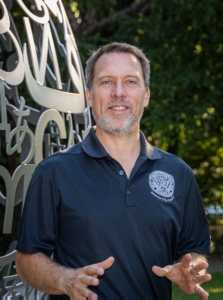
Atlanta City Council President Doug Shipman
Q: From your impression of Park Pride, what areas do we do well and what areas could we improve upon?
A: I think Park Pride, first and foremost, has been incredibly helpful at framing where we should go and then building a constituency around it. Park Pride has been incredible in the last five years at getting tangible wins.
To get a millage rate passed unanimously, which, in essence, is a tax increase — it hadn’t been done in decades. It’s a political miracle, but it’s not a political miracle. It was the work done by Park Pride and others in this space to build that momentum and to make it feel inevitable, though it wasn’t. That was incredible.
Two, being able to catalyze the connection between the philanthropic community and the public funding community to say, “Here’s how we can really stretch dollars, and here’s how you can have a tangible impact with those dollars.”
Third, [Park Pride] keeps the importance of parks and greenspace alive in various ways. This is an issue that competes with other issues. Every issue is always in competition with others for attention or funding. I think Park Pride has done a very good job at keeping the issues of parks and greenspace front and center in both the political and social discourse, which means that it gets attention.
Q: Areas of improvement?
A: Having even more advocates in surprising ways. The business community tells me how important parks and greenspaces are, but I don’t think they’re quite as vocal publicly as they could be. I think we still have one more step to take as a city to say, “We’ve gone so much higher in the [Trust for Public Land] ParkScore ranking, and we have these plans that are coming to fruition. How do we manage that long-term, so that we don’t consistently have questions about maintenance issues?” Park Pride is in the perfect position to be a thought leader in that approach and to catalyze everybody around it.
Q: Could Park Pride’s model be applied in other areas?
A: Park Pride’s model could be very instructive for other groups, like Atlanta’s arts and culture or youth services. Parks and greenspace can be an incredible foundational platform for arts and culture, and they can be an incredible platform for you.
I would hope that Park Pride would do a Harvard Business School-style case — going to these other civic-oriented groups and say, “Here’s the model, and we’re happy to engage you on how we’ve done it. How do we elevate you?” We have wonderful public art in our parks. How do we think about a master plan across the whole city of how we’ll think about parks and art over the next 10 years? How do [those efforts] reflect the neighborhoods in which they reside?
I think there’s more sophisticated thinking that can happen because so much good work has been done. It’s not building the basics; it’s building those national leader models because all the groundwork has been laid.
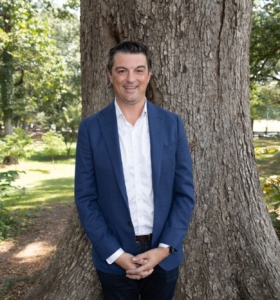
District 2 Councilmember Amir Farokhi
Q: Is there a parks-related success you’re especially proud of?
A: I’ve had a few. In Candler Park, I was able to divert a good bit of money for a range of improvements. We reopened the bathrooms by the pool for public use. We helped support the new playground that went in, which a lot of folks chipped in to support. We’ve set aside some significant money to redo the green for more multi-purpose use. We also did a participatory budgeting exercise a few years ago that yielded some new artwork and murals, both in the park and around the exterior of the park. In Historic Fourth Ward Park, one of my small wins was seeing the flooring of the playground starting to fray, and we found some funds to re-pour the flooring of the playground. I’m happy to see that, because it gets so much use. In Central Park, we have pickleball courts slated to go in, and I’m happy to be a bit of a champion for that.
Q: From your impression of Park Pride, what areas do we do well and what areas could we improve upon?
A: I think you do a really great job of opening possibilities for conservancies and for folks who care about their park. [They know] you’re there to help and provide support resources. That’s huge. I think many of these smaller park groups don’t know where to start. They love their park, but to bring any sort of vision to bear requires resources and expertise. It’s hard to measure the impact of that, but it’s invaluable.
From an advocacy perspective, y’all are always really great about coming to the table with policymakers, with data, and a well-thought-out position. It makes it hard to say no.
I wish you had more resources, but you wish you had more resources, too, right? So that’s not an area of improvement; that’s just a wish list.
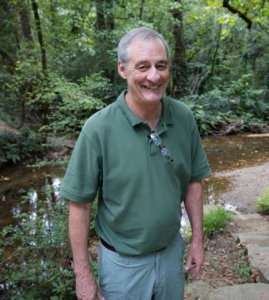
District 7 Councilmember Howard Shook
Q: You supported parks and greenspaces during your time in office. Tell us about why you think parks and greenspaces are important, and why that resonates with your constituents.
A: I think it’s just instinctual that people like parks and green spaces, especially when you’re in a pretty heavily built environment.
Q: You have been a big supporter of PATH400 – what is the value of increasing our trail network?
A: Soon, you will be able to go from the Beltline and the Silver Comet Trail. Ultimately, we’re going to have a trail network second to none, maybe in the country. It gets you out of the house, it brings you closer to nature, and it’s great for health outcomes.
Q: In Atlanta, we have chronic issues regarding park maintenance, and it can be hard to get people excited about it. How can we and other advocates better elevate this issue?
A: I think [Park Pride is] in the top tier that focuses attention on an issue. When the green shirts are out there [in City Hall], it must be budget time. You can also measure your success by the reality that, no matter how dire things are, you guys come out holding your own, and usually a little bit of somebody else’s. I just hope you understand that’s not the only hungry bird in the nest. Every department in the city can strongly make a case that they don’t have enough.